How Mixing In the Box Changed What Records Sound Like
Moving from a console to software changed less about how records sound than about how they get made: total recall, unlimited tracks and no natural deadline.

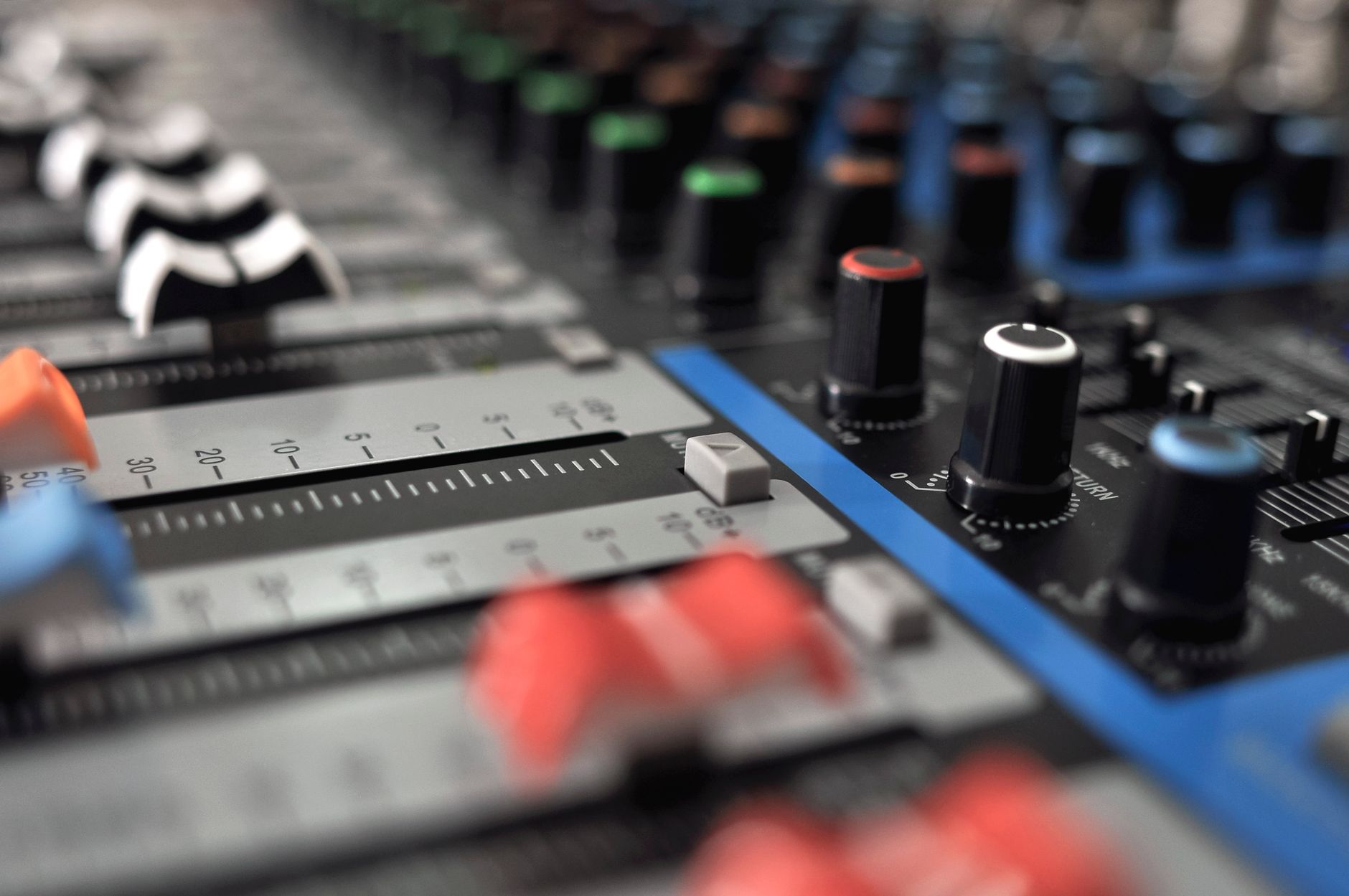
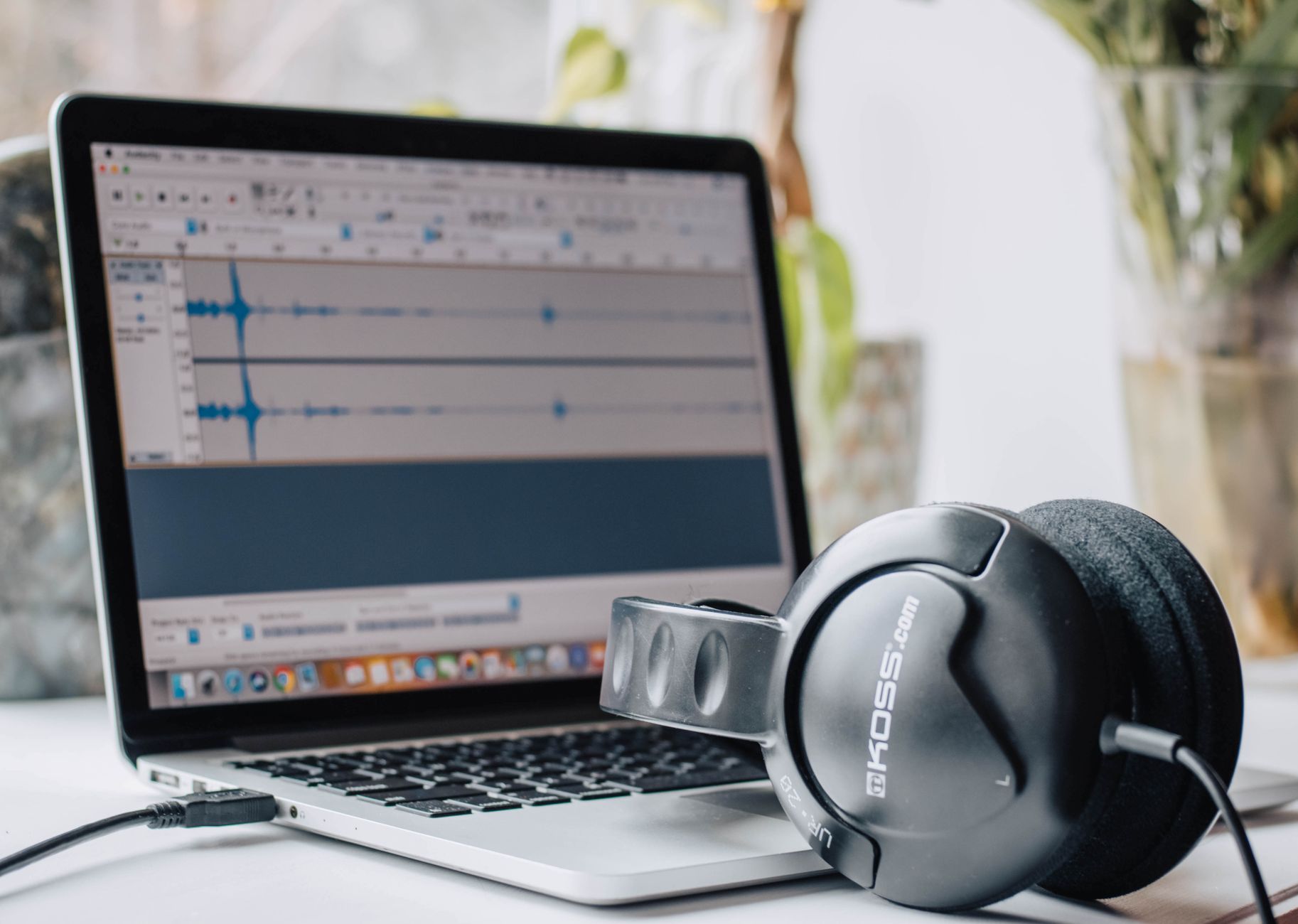
For most of recorded music’s history, mixing happened on a physical object. A large console, a wall of outboard processors and a tape machine, all of it in a room that cost money by the hour. Now the same job is typically done inside software, on a laptop, with no hardware in the signal path at all. The phrase for it, mixing in the box, describes a change usually argued about as a question of sound quality, when its more interesting consequences were about time, process and who is allowed to do the work.
What changed was not primarily what a mix could sound like. What changed was what a mix could be: infinitely revisable, unbounded in size, and editable at a resolution that was previously impossible.
What the Console Used to Impose
A hardware mix carried constraints that shaped the finished record whether anyone wanted them to or not.
The console had a fixed number of channels. Tape had a fixed number of tracks. Every processor in the room could only be used on one thing at a time, so a decision to put the good compressor on the vocal was a decision not to put it on the bass. Studio time was billed, so the session had a hard end.
Most importantly, a hardware mix was not recallable. The state of a mix lived in the physical position of every knob and fader in the room. Recreating it meant photographing the console and writing settings down, and even then it would not be exactly the same. In practice a mix was finished when the session ended, because going back was expensive and imperfect.
That produced a specific working culture. Decisions were made early and committed to. Sounds were printed to tape with processing baked in, because leaving options open cost channels. Arrangements were resolved before mixing began, because there was no room to defer them. A record was the product of a series of irreversible choices, and the constraint did some of the editorial work on the engineer’s behalf.
Recall, Revision and the End of the Deadline
The single largest practical change is total recall. A software session reopens exactly as it was, indefinitely, on any compatible system. Nothing has to be reconstructed.
This is an unambiguous improvement in several ways. Revisions become cheap, so a mix can be sent out, reviewed and adjusted without rebuilding anything. Multiple versions coexist: an instrumental, a version with a different vocal take, a variant for a sync request, a shorter edit, each derived from the same session years later. Work moves between rooms and between people. Nothing is lost because a room was needed for another booking.
The consequence nobody anticipated is that mixes stopped ending. When revision is free, there is no natural point at which a mix is done, and the decision to stop has to come from a person rather than from the circumstances. Notes accumulate. Small changes get requested because they can be. Sessions get revisited long after any further change is audible to anyone except the people making it. The discipline a billed room and an unrecallable console used to enforce now has to be supplied deliberately, and frequently is not.
Unlimited Tracks and the Comped Performance
The second change is scale. Track count is limited by processing power rather than by hardware, which in practice means it is barely limited at all. A session can hold as many takes, doubles, layers and alternates as anyone cares to record.
Combined with editing precision, this produced the comp: a performance assembled from the best fragments of many attempts. A vocal can be built line by line, or word by word, from many passes. A drum take can be constructed from several. Timing can be corrected to a grid, pitch can be corrected note by note, and the seams can be made inaudible.
This is genuinely useful, and it is not new in kind, because tape editing did a cruder version of the same thing. What is new is the resolution and the cost. Assembling a composite performance used to require a razor blade, real risk and real skill, so it was done sparingly and at structural boundaries. Now it is done continuously, at the level of a syllable, as a default.
The aesthetic consequence is a specific kind of perfection. A comped, tuned, grid-aligned performance contains no mistakes, and it also contains none of the small instabilities that signal a human being doing something difficult in real time. A slightly late snare, a note bent into tune, a voice that strains: these read as effort and risk, and they are exactly what the process removes. Whether that matters depends entirely on the record. In some genres the grid is the point. In others, the absence of struggle is the thing listeners cannot name but respond to.
What Infinite Options Do to a Record
Beyond performance, unlimited resources change the mixing decision itself.
Every processor is available on every channel simultaneously, and each additional instance is free. That removes the forcing function that used to make mixing an exercise in prioritisation. The old question, what does this mix most need given that only one of these exists in the room, becomes a question with no cost attached. The common result is a mix where everything has been treated, nothing has been sacrificed, and the balance is less clear than it would have been under constraint.
The same dynamic applies to arrangement. When adding another layer costs nothing, layers accumulate. Subtraction, which is most of what makes a mix legible, requires someone to decide to lose something they have already made.
None of this is caused by the software. It is caused by the removal of constraints that used to make certain bad habits impossible. Engineers who work well in the box tend to reimpose limits artificially: committing to processing early, working with a deliberately restricted set of tools, printing decisions rather than leaving them open, and setting deadlines the technology no longer sets for them.
Why Analogue Emulation and Hybrid Rigs Persist
If the digital session removed the constraints, a large part of the software industry now exists to sell them back, and a great deal of professional work still runs partly through hardware. Both facts can be explained without mysticism.
Analogue circuits distort. A tape machine, a transformer, a valve stage and a discrete compressor all impose non-linear behaviour: harmonic distortion, frequency-dependent saturation, and subtle timing artefacts in how a compressor responds to a transient. Those behaviours were originally limitations, and decades of records were made through them, which means listeners learned them as part of what recorded music sounds like. Emulations exist because that character is wanted, not because digital summing is deficient at arithmetic.
There is a second, less romantic reason hybrid setups persist. Physical controls encourage different decisions than a mouse and a screen. Reaching for a knob and hearing the result immediately is a faster loop than opening a window and dragging a slider, and a finite number of physical processors forces the prioritisation an unlimited plug-in folder does not. Some engineers keep hardware for how it makes them work rather than for how it sounds.
The Access Trade
The largest effect of the shift has nothing to do with aesthetics. It is that the barrier to making a professional-sounding record collapsed.
A capable mixing setup no longer requires a room full of hardware, a lease, or an hourly rate. It requires a computer, an interface, headphones or monitors, and knowledge. The knowledge is now the expensive part, and it circulates freely in a way that access to a console never did. Records that would previously have been impossible to make outside an institutional studio now get made in bedrooms, in places with no studio infrastructure at all, by people who could never have afforded the older path.
What was lost is real but narrower than nostalgia suggests: the enforced discipline of a finite session, the apprenticeship structure that came with commercial studios, and a set of constraints that quietly improved decisions. What was gained is that the ability to make a record stopped being a function of capital. The sound of records changed less than the process did. Mixes got cleaner, more edited, more revised and more numerous, and the people making them stopped needing permission.