How Nashville Songwriting Rooms Turn Three Strangers Into Hit Writers
Inside the Nashville co-write system: equal-split economics, publishing deal ranges, royalty math, and named songwriters behind country's biggest hits.

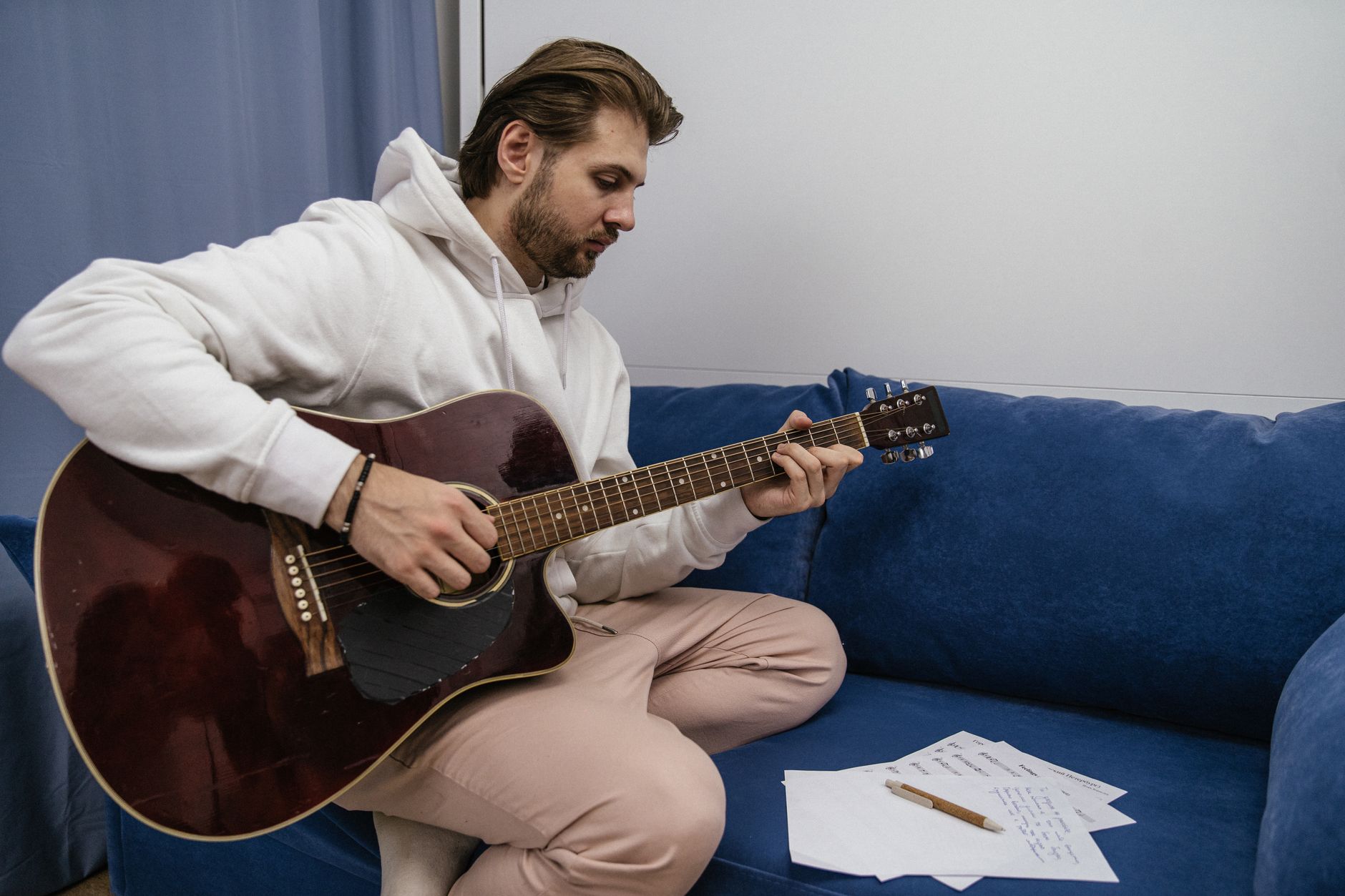
Three writers walk into a room on Nashville’s Music Row at ten in the morning. One brought a title scrawled on a legal pad. One has a chord progression on an acoustic guitar. One has nothing but a rhyme that has been stuck in their head since a drive the night before. By early afternoon, if the session works, they walk out with a finished country song, a signed split sheet, and an equal one-third ownership stake each, regardless of who wrote the most words or built the strongest melody. This is how the majority of commercial country music actually gets made, and it is a system with its own economics that most listeners never see.
The Room Is the Product
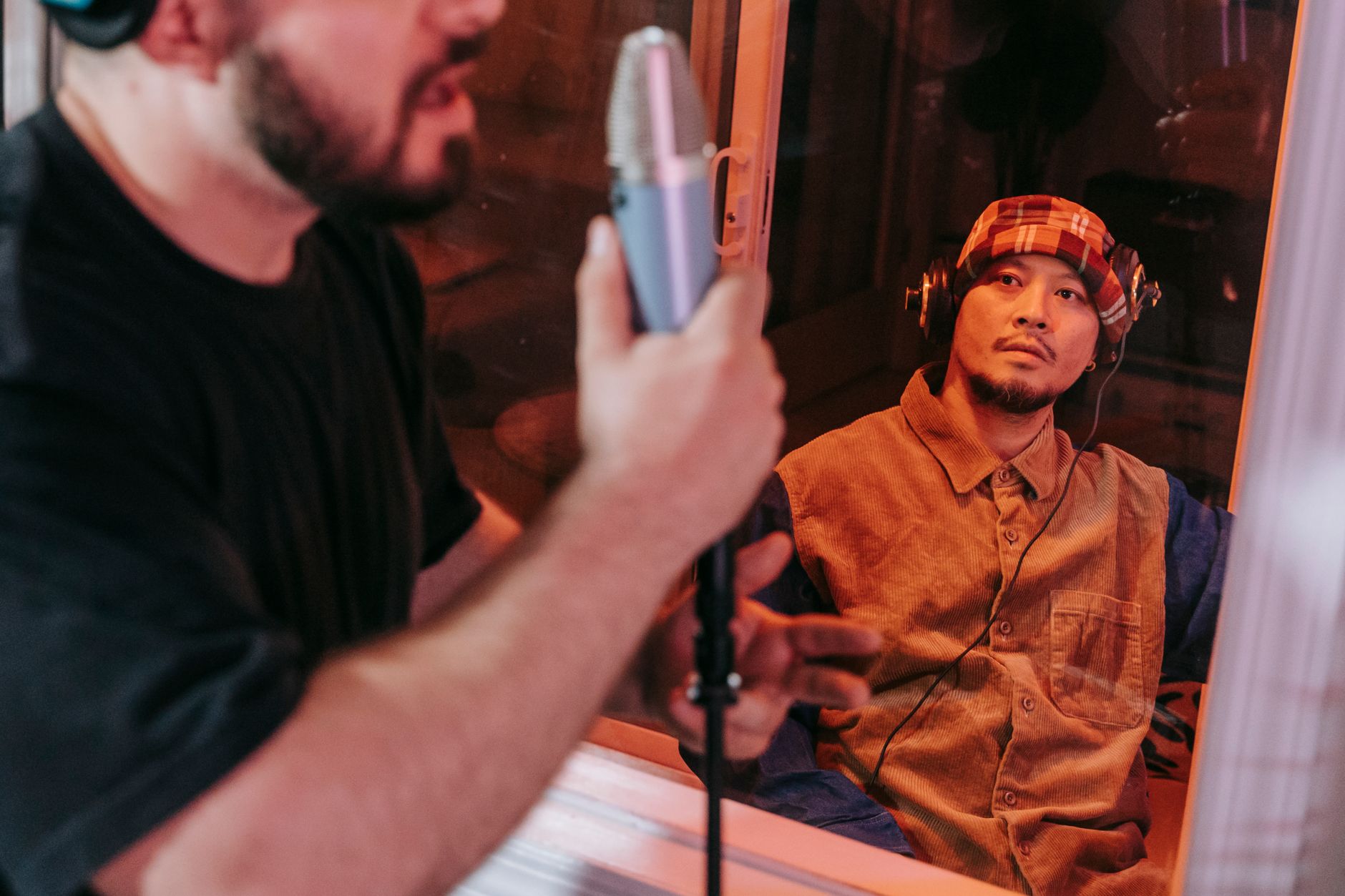
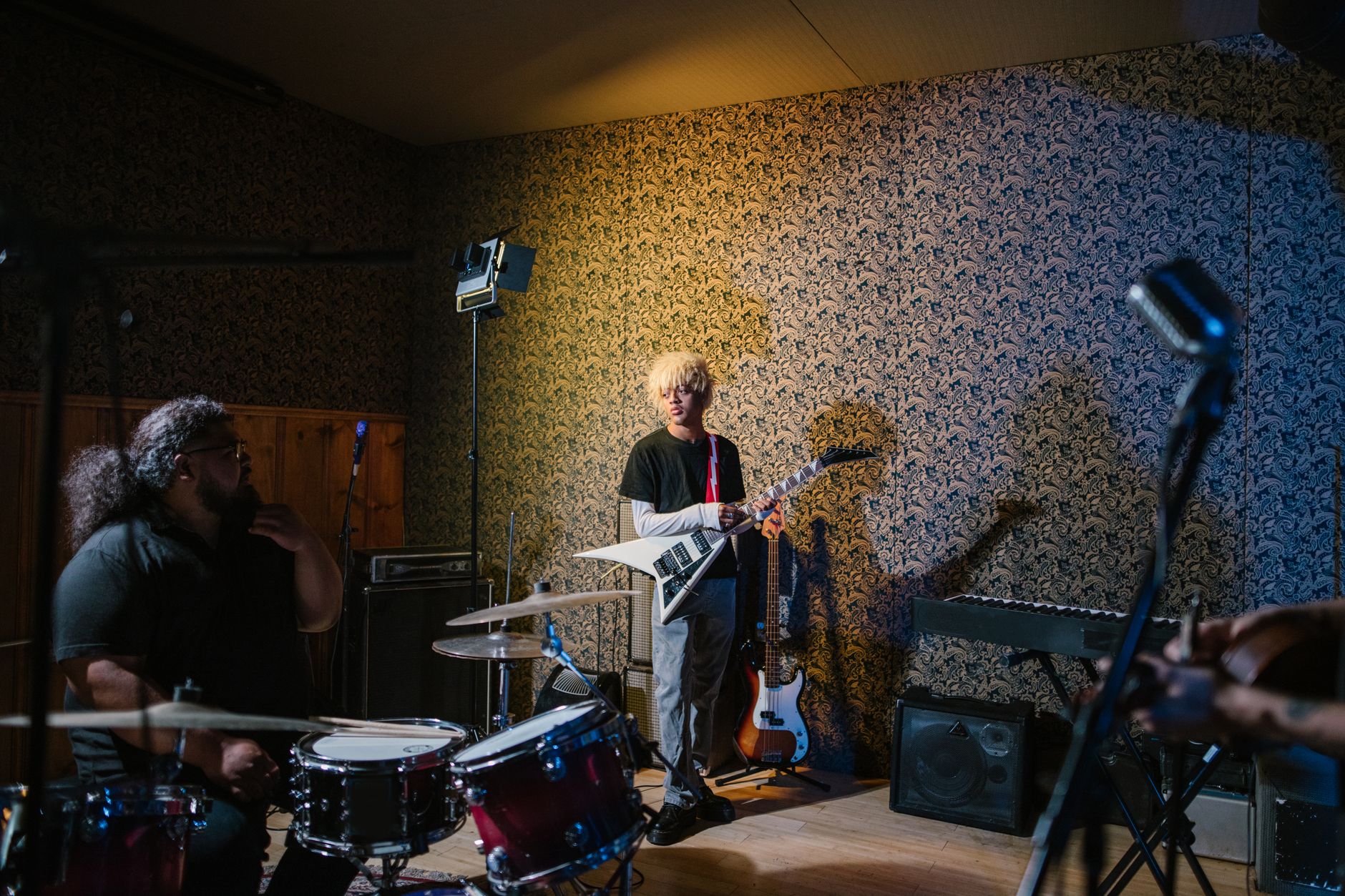
The two- or three-writer co-write is the standard unit of Nashville songwriting, typically running three to four hours and often including the artist who will eventually record the song. This is deliberate. A room built around a specific combination, a melody specialist, a lyric specialist, and sometimes the artist themselves, functions like a small production line optimized for turning out a commercially pitchable song in a single sitting, rather than waiting for one writer’s private inspiration.
That structure explains why credits on a country radio hit routinely list three names, sometimes more. The song was not written by committee out of necessity, it was built that way from the start, with each writer recruited for a specific skill the room needed that day.
Why the Splits Are Equal, Not Proportional
The Nashville norm for a three-way co-write is a straight equal split, one-third of the writer’s share to each person in the room, independent of who contributed the most lines or the strongest hook. A writer who shows up with ten words and a writer who builds the entire chord structure can walk out of the same session with identical ownership. That is not an accident of generosity, it reflects how the room was designed: the goal is a finished, pitchable song, and equal splits remove the friction of negotiating contribution value in real time.
The Nashville Songwriters Association International, founded in 1967 and now representing more than 5,000 members across the United States and five other countries, along with performing rights organizations ASCAP and BMI, consistently advises writers to document every split in writing before anyone leaves the room. A signed split sheet is the industry’s basic paper trail, and disputes over unsigned or verbally agreed splits are a recurring source of legal trouble once a song becomes a hit.

What a Hit Actually Pays
The mechanical royalty, the rate paid when a song is reproduced on a recording that sells or streams, currently sits at 12.4 cents for songs under five minutes, a figure split among however many co-writers and their respective publishers are listed on the song. On a three-way co-write, that already-small per-unit rate gets divided three ways before publisher cuts, which is one reason songwriters lean so heavily on volume, getting cut on as many recordings as possible, rather than betting on any single song.
Publishing deals that get a writer into those rooms in the first place vary enormously. Reporting on Nashville deal terms describes a range from token advances of a single dollar for a baby writer just getting a foot in the door, up through full-service publishing deals in the 15,000 dollar range, to more established writers securing 30,000 to 150,000 dollar advances against future royalties. Shane McAnally, one of the format’s most successful writers, founded his own publishing company, SMACKSongs, in 2012 rather than staying inside someone else’s deal structure, and its roster of writers has since been credited on close to 70 number one songs. McAnally has co-written extensively with Hillary Lindsey, another A-list Nashville writer whose credits include work connected to Keith Urban recordings, alongside producer-writer busbee, illustrating how the same small circle of in-demand names tends to recur across a disproportionate share of the format’s biggest hits.
There is a persistent criticism inside the format about how those equal splits sometimes get allocated: a recording artist who joins a co-write session and makes a single word swap or a small melody tweak to a song two staff writers largely finished can still walk away with a full third of the writer’s share and the associated future royalties. Writers privately grumble about the practice, since it is the artist’s ability to actually record and release the song that makes it commercially valuable in the first place, and a room built around getting a specific artist’s name attached will often tolerate a lighter creative contribution from that artist in exchange for the certainty that the song gets cut at all.
Why Three Names Keep Showing Up
Put the pieces together and the three-name credit line stops looking like a curiosity and starts looking like the predictable output of a system: a room assembled for specific skills, a split structure designed to avoid contribution disputes, and a small, well-connected pool of writers who get invited back because their names on a song increase its odds of getting cut by a major artist. The song format may be three minutes of radio-ready country, but the process that built it is closer to a structured, repeatable creative production method than to a solitary songwriter’s flash of inspiration.
The Practical Reality for Working Writers
For anyone trying to break into that system, the numbers suggest a strategy: get into as many rooms as possible, protect every split with a signed sheet before leaving, and treat a publishing deal’s advance size as a starting point rather than the ceiling. The writers who make a living in Nashville rarely do it off one song. They do it off being the reliable third chair in dozens of rooms a year.