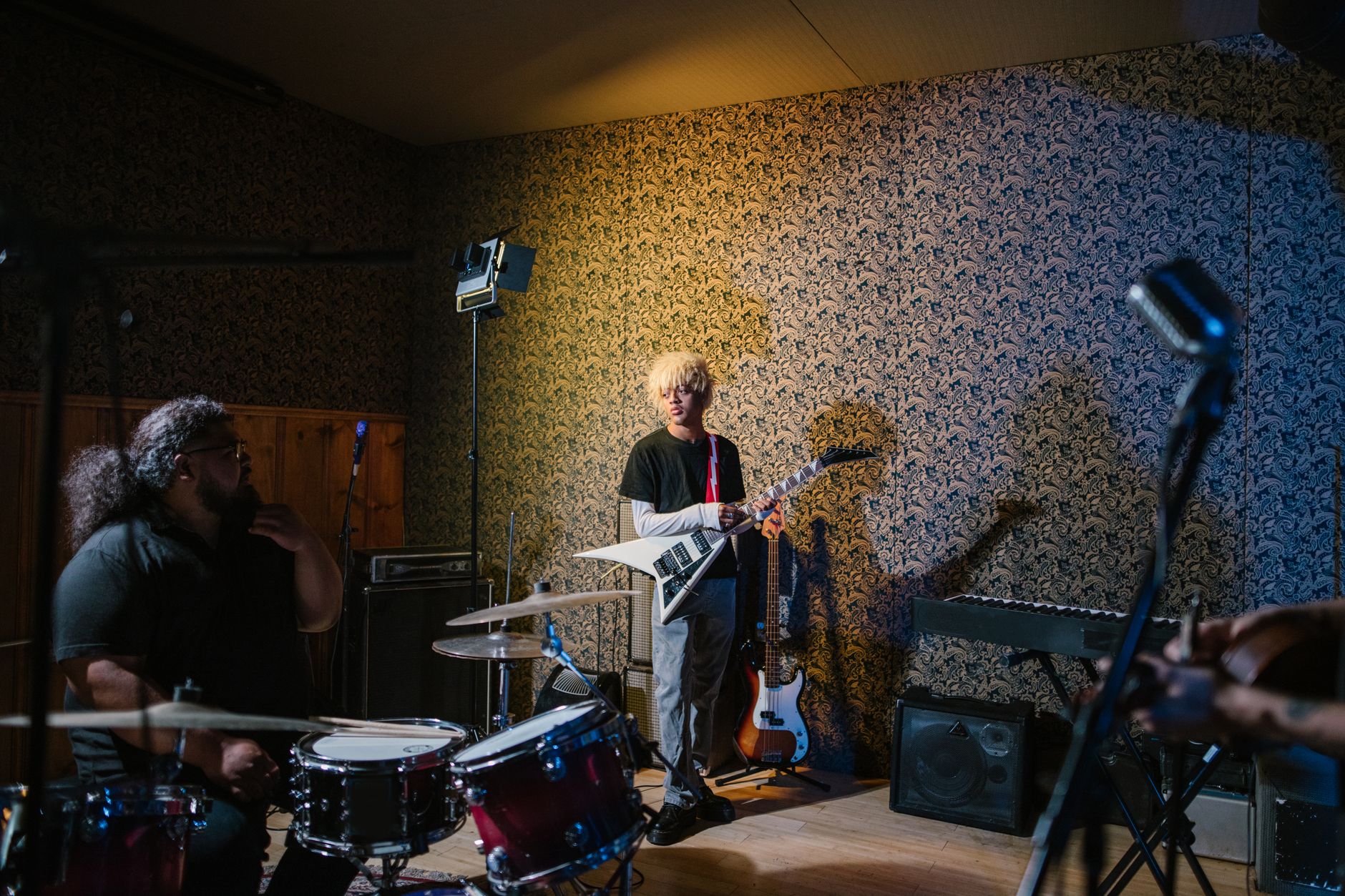
Inside the K-Pop Trainee System: Real Training Costs and Debut Odds
How the K-pop idol pipeline works: audition funnels, real training budgets, debut odds by the numbers, and how 2009 regulation changed idol contracts.


Every year, roughly 150,000 people audition for SM Entertainment, one of South Korea’s three dominant idol agencies. About 2,000 make it past the first video screening. Around 500 advance to a second round. Somewhere near 10 are accepted as trainees. That funnel, reported by outlets covering the agency’s recruitment process, happens before a single note of the idol pipeline that fans actually see. The training, the debut, the years of dorm life and choreography drills, all of it sits downstream of a selection process already narrower than admission to most elite universities.
The system that produces BTS, Blackpink, and aespa is often described in fan spaces as a dream factory. It is more accurately a high-capital talent bet with a brutal failure rate, run by companies that have gotten very precise about how much they are willing to lose on any given trainee.
Understanding how that bet is structured, and what changed after Korean regulators stepped in, explains a lot about why idol groups look, sound, and behave the way they do.
What Training Actually Costs
JYP Entertainment spends an estimated 700 to 900 million Korean won annually on its trainee roster, or roughly 598,700 to 769,700 US dollars, according to industry reporting on the company’s operations. Individually, agencies are estimated to sink around 765,000 dollars into a single trainee by the time that person is ready for a debut stage, covering vocal coaching, dance instruction, language lessons, housing, food, and often years of unpaid development time.
Taking a full group from the practice room to a debut showcase, with choreography, styling, a music video, and promotion attached, has been estimated at 7.5 million dollars or more. None of that is guaranteed to be recouped. A trainee can spend five or six years in the system and never appear on a comeback stage, and the agency absorbs that cost as a sunk one.
This is why the three major companies, SM, JYP, and YG, have visibly different risk postures. SM runs the widest funnel and the most standardized curriculum, built around vocal precision and synchronized choreography across groups like NCT. JYP leans on reality-show formats such as its trainee survival programs to build a fanbase before debut even happens, effectively crowd-testing an act before spending the full 7.5 million. YG has historically accepted fewer trainees and invested more deeply per artist, the model that produced Bigbang and Blackpink.
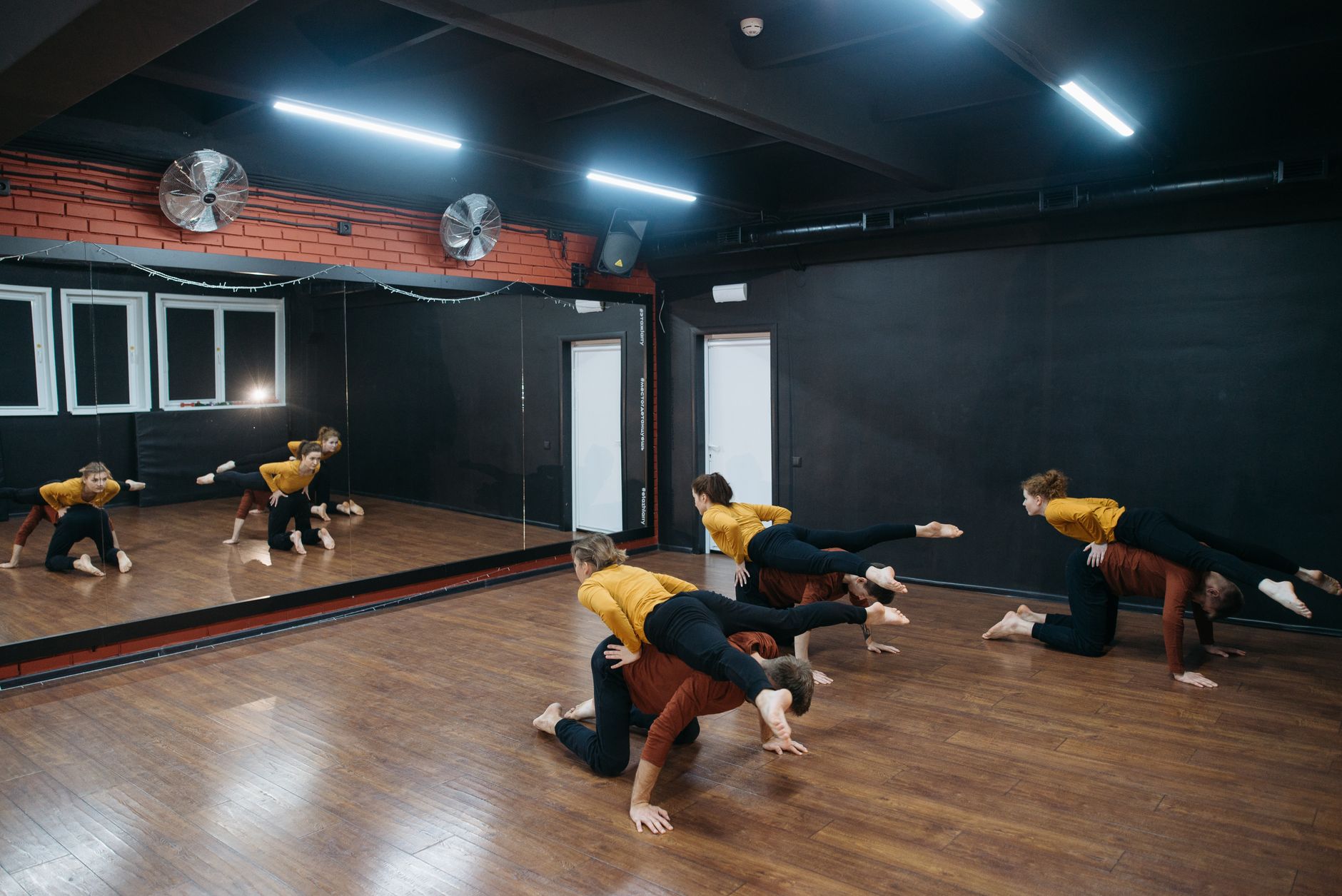
The Debut Math Doesn’t Add Up the Way Fans Assume
Here is where the numbers get genuinely confusing, and where a lot of casual reporting gets it wrong. Official agency surveys have put the debut rate among accepted trainees at around 65 percent in 2023. That sounds encouraging until you remember what that population already represents: the roughly 10 people who survived a funnel that started at 150,000.
Zoom out to the entire pool of aspiring idols, including people who never make it past an open audition, and the picture flips. Estimates suggest that for every 1,000 people who enter some form of the trainee system across the industry, only 20 to 30 ever reach an actual debut stage, a rate closer to 2 to 3 percent. Both statistics are true at once. They are just measuring different populations, and agencies have an obvious incentive to publicize the flattering one.
The Slave Contract Era and Why It Ended
The trainee system’s harshest chapter is not the training itself but what came after debut. In 2009, three members of the idol group TVXQ sued SM Entertainment to void a contract that bound them to the agency for 13 years, a deal that controlled their schedules, income splits, and personal conduct with almost no exit clause. The Korean press and public labeled these arrangements slave contracts, and the term stuck.
TVXQ won their case, and the fallout reached the Korea Fair Trade Commission, which introduced a standard contract in 2009 capping exclusive agency control at seven years. After that point, artists gained the right to renegotiate or exit. It was not a ban on long contracts outright, agencies and artists can still agree to extensions, but it set a default ceiling where none had existed before, and it gave departing idols legal ground to stand on that TVXQ’s members had to fight for in court.
What Changed in Practice
The seven-year cap reshaped how agencies plan group longevity. Comeback and disbandment cycles now frequently cluster around that window, and renegotiation at year seven has become a predictable, almost calendar-driven event in the industry rather than a crisis. Profit-sharing terms, dormitory oversight, and personal-life restrictions, the specific grievances TVXQ raised, have also become more visible in artist statements and occasionally in public contract disputes, giving trainees entering the system today more precedent to point to than any cohort before them had.
None of this makes the funnel any less narrow. It just means that the small number of people who make it through now do so under terms that are, on paper, less one-sided than the ones that built the industry’s first generation of global stars.
The Takeaway
For anyone evaluating an idol group’s staying power, whether as a fan, an investor in the surrounding merchandise and ticketing economy, or a family weighing whether to let a child audition, the numbers are the story. A group that debuts represents millions of dollars of accumulated agency risk and a statistical outlier among the thousands who tried. That scarcity is precisely what makes the finished product feel so engineered: it is, by design, the survivor of one of the most selective talent pipelines in entertainment.