Why Catalog Acts Keep Dominating the Biggest Tours and Streaming Charts
Real Pollstar touring gross data and Luminate streaming shares show why legacy acts still top the charts, and what the graying of rock means for new artists.

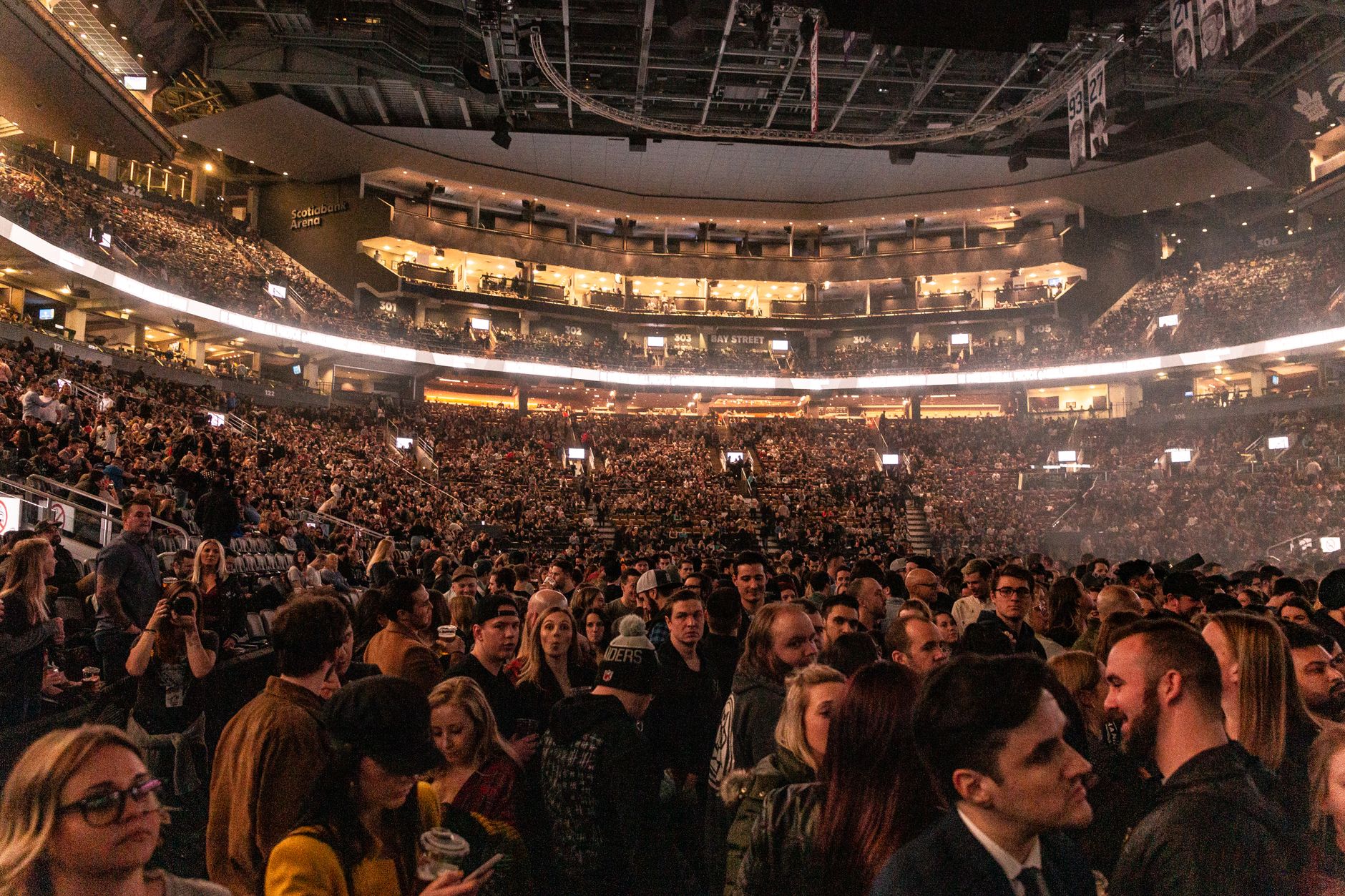
Look at any year-end touring chart from the past three years and the pattern holds: alongside genuine new blockbusters like Taylor Swift’s Eras Tour and Coldplay’s Music of the Spheres run, a striking share of the highest-grossing slots belong to acts whose biggest albums came out decades ago. The Rolling Stones. Bruce Springsteen. Fleetwood Mac before its final shows. Metallica. Madonna. These are not nostalgia sideshows playing county fairs, they are routinely posting some of the largest tour grosses in the world, and the streaming data backs up why promoters keep betting on them.
The Streaming Numbers Behind the Trend
According to Luminate’s year-end 2024 report, catalog music, defined as anything older than 18 months, accounted for 73.3 percent of all US music consumption, up from 72.7 percent the year before. Broken down by release decade, songs from 2010 onward still make up the majority of streams at 79.5 percent, but the tail matters: 10.4 percent of streams came from music released in the 2000s, 4.7 percent from the 1990s, and a combined 5.4 percent from the 1980s and earlier. Rock stands out specifically as the genre with the deepest catalog dependence, with nearly three-quarters of all rock streams coming from tracks five years old or older, a far higher share than pop, country, or Latin music, genres where 30 percent or more of streams go to current material released within the last year and a half.
That listening pattern maps directly onto who can still sell out an arena. If three-quarters of the rock audience’s actual listening is to songs that are already old, it follows that the acts who wrote those songs still have a commercially provable draw that a promoter can price tickets around with far more confidence than a new act’s unproven catalog offers.
What the Tour Grosses Actually Show
The 2023 touring year illustrates the shift in real numbers. Rock acts still filled out the industry’s biggest tours, the Rolling Stones’ Hackney Diamonds Tour grossed 235.1 million dollars from just 18 North American shows, and Bruce Springsteen and the E Street Band grossed 251.3 million dollars from 1.7 million tickets sold on their world tour, but rock’s overall share of the total gross among the top 100 tours fell from 42.5 percent in 2022 to 32.4 percent in 2023, according to Pollstar’s year-end analysis. Fleetwood Mac’s 2014 to 2015 On With the Show tour, one of the band’s last full outings, had already grossed 125.1 million dollars from 78 shows, with individual venues reporting gross receipts of 1.5 to 2 million dollars per night, numbers that plenty of currently charting new artists cannot yet match on a per-show basis.

The Graying of the Genre
Pollstar’s own analysis of the 2023 chart flagged the underlying demographic issue directly: rock accounts for many of the oldest artists in the touring top 100, while the genres bringing the youngest audiences and performers into that same chart are Latin music and K-pop. That is a structural warning sign as much as a current-year snapshot. The Rolling Stones, Springsteen, and their peers are drawing on decades of catalog depth and brand recognition that took a lifetime to build, and there is no guarantee that a new rock act with one strong album can command comparable ticket prices or fill comparable venues, because the entire business model these tours run on, pricing shows against a deep, proven back catalog, is not something a newer act has had time to accumulate.
The Eagles as the Extreme Case
The Eagles offer the clearest illustration of how far a catalog act’s touring life can stretch. Across more than five decades on the road, the band has played over 1,000 concerts and sold roughly 16 million tickets, a career total built almost entirely on an album run that peaked commercially in the 1970s. Their farewell run, branded The Long Goodbye, began with arena dates in 2023 before settling into an extended residency, and the tour has continued selling at prices well above typical arena rates precisely because the audience is paying for access to songs it has already known for fifty years, not for the promise of new material. No band without that kind of catalog depth could plausibly stage a multi-year farewell tour on comparable pricing.
What It Means for New Artists
The practical squeeze on newer artists is twofold. Promoters and venues have more financial certainty backing a legacy act’s tour, which affects how aggressively they will bid on or support an unproven headliner, and streaming platforms’ own recommendation systems keep surfacing catalog material precisely because it already has the engagement history to justify the placement, making it harder for new songs to break through the noise regardless of quality. None of this is unique to rock, but rock’s catalog dependence, at nearly three times the depth of the genres with the youngest audiences, makes it the clearest example of an industry where the biggest current earners are, increasingly, the same handful of acts that have been earning for fifty years.
The Long View
For an emerging artist, the lesson from the data is not that new music cannot break through, pop and Latin remain far less catalog-dependent and continue producing new stars, but that touring economics in genres like rock now favor patience and catalog-building over a single breakout run. The acts filling arenas today spent decades accumulating the songs that let them do it. There is no shortcut around that math, only the long process of writing the catalog that eventually does the same work for someone new.