How Opening Slots Get Bought and Sold
Support slots sometimes pay the opener and sometimes cost them. What the position is really worth, who grants it, and the constrained conditions an opener performs under.

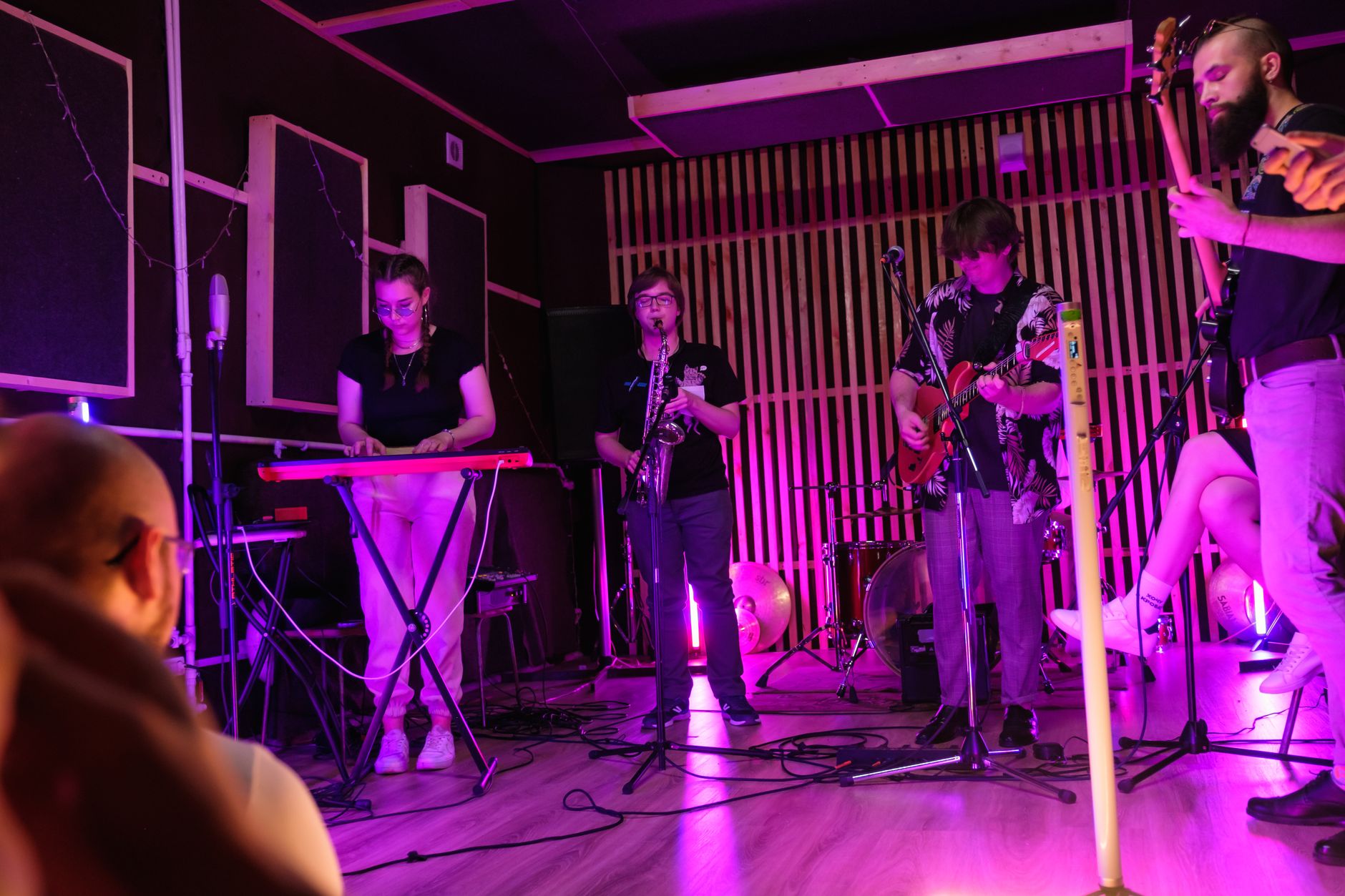
The opening slot on a tour is one of the few places in the music business where the traditional direction of payment is openly reversed. Sometimes the headliner’s promoter pays a support act a modest fee to be there. Sometimes the support act, or its label, pays for the privilege. Both arrangements are ordinary, and which one applies says more about leverage than about talent.
Understanding the slot properly means separating three things that get muddled together: what the position is actually worth in audience terms, who has the power to grant it, and what the person granting it is being compensated for.
What a Support Slot Is Actually Worth
A support slot offers a developing act something it cannot buy through advertising: repeated exposure to large rooms full of people who are already predisposed to the genre, in a setting where they cannot skip past.
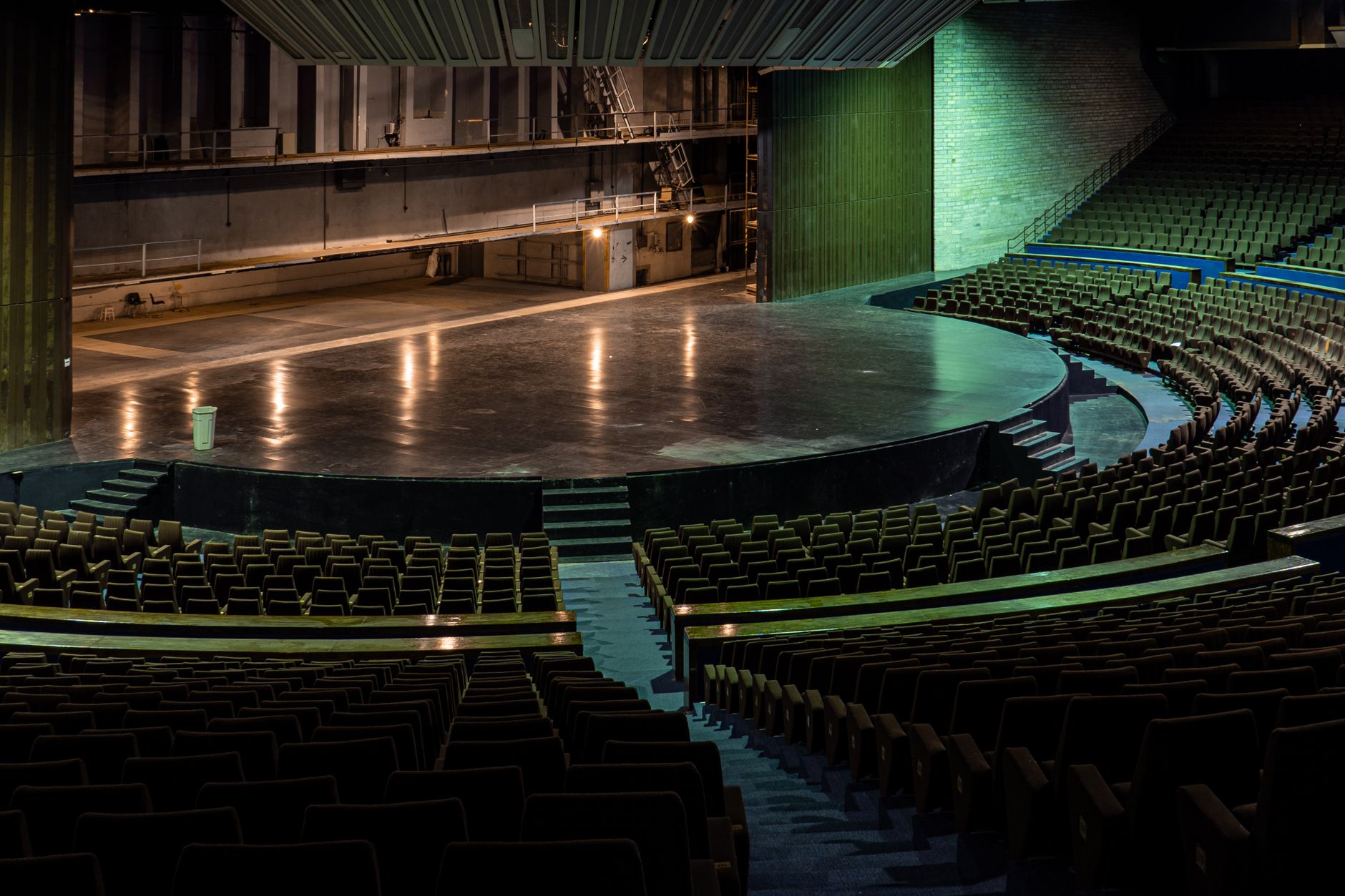
The value is real but narrow. The audience came for somebody else, and much of it arrives late, stands at the bar, or treats the opener as background to catching up with friends. What a good support run reliably produces is craft and credibility. Playing an arena-sized stage is a learned skill, and there is no substitute for doing it repeatedly. A support credit on a well-regarded tour also functions as third-party endorsement in a market where everybody claims momentum: it signals that a headliner, an agent, and a promoter all thought the act was worth putting in front of that crowd.
What it produces far less reliably is a direct commercial return. Exposure converts at a low rate, and the acts that convert best are those with something ready to catch the interest: recorded material available, a merchandise offer at the venue, and a live show that can survive a bad sound position. Acts that treat the slot as an end in itself tend to finish the run better rehearsed and no better known.
Who Actually Chooses the Opener
Three parties have a say, and their interests diverge.
The headliner has the strongest claim and the least predictable criteria. Support choice affects the shape of the evening, so acts get picked for stylistic fit, for a personal relationship, because a member of the band admires them, or because a shared agency roster made the introduction easy. Some headliners take an active interest in developing acts and treat the slot as patronage. Others delegate it entirely.
The booking agent thinks about the whole business. Agencies represent many acts and have a direct interest in placing their own developing clients under their own established ones, because a support run is one of the cheapest ways to grow an act’s live value, and live value is what an agency earns from.
The promoter thinks about the specific date. A local promoter may want a regional act with a following in that city, because the opener can measurably help sell the lower-priced tickets and improve early-doors bar spend. That is why support bills sometimes vary city to city while the headliner stays constant.
The Buy-On, Described Plainly
A buy-on is what it sounds like: rather than being paid to open, an act pays to occupy the slot. The money typically goes toward the tour’s costs, and the framing matters, because it explains why the practice exists at all and is not simply extortion.
A support act on a large tour consumes real resources. It uses the sound and lighting system, takes stage time, requires crew attention during changeover, occupies space in trucks and dressing rooms, and adds load-in time. Those are costs the headline production carries. A buy-on transfers some of them to the party receiving the benefit, and in many cases it is the only mechanism by which an act with no drawing power can occupy a position that acts with drawing power are competing for.
The amounts are not standardised and not publishable in any meaningful way. They scale with the size of the rooms, the desirability of the headliner, the length of the run, and how many other acts want the same slot, and the range is wide and entirely negotiable. The important structural point is that the money usually comes from a label, a management company, or an investor rather than from the musicians, and it is booked as marketing spend against a specific act at a specific stage of development.

The Conditions an Opener Plays Under
Whatever the slot cost, it is performed under constraints that are worth stating plainly, because they determine how much of the exposure is usable.
The set is short, a fraction of the headliner’s running time, and it is fixed. Overrunning is a serious breach, since the schedule between doors and curfew is tight and every minute taken comes out of the changeover.
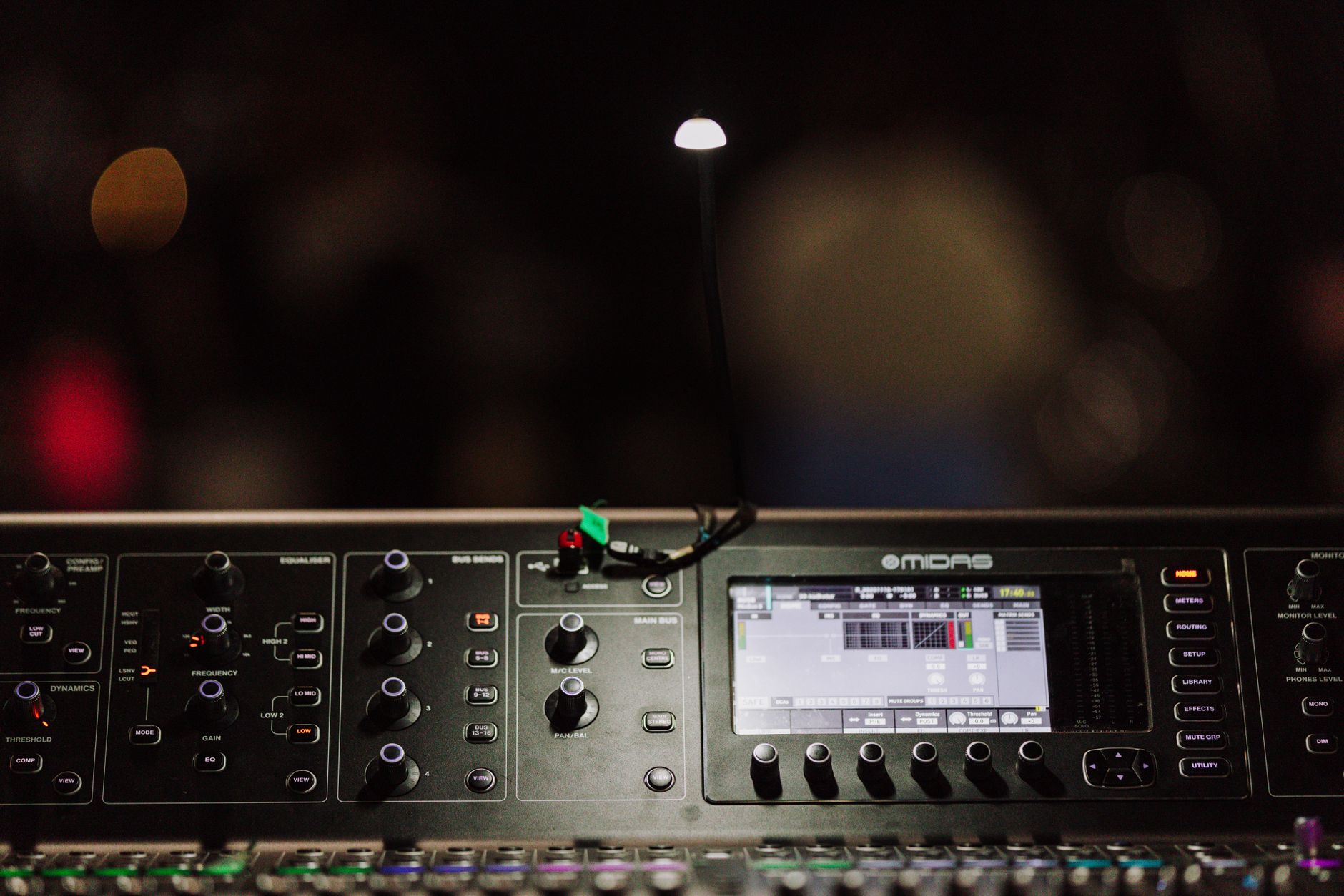
The production is limited. An opener plays on the front portion of the stage, in front of the headliner’s set-up, with whatever lighting the headline designer has permitted and often no video. Soundcheck may be a brief line check or nothing at all, and the mix is run by an engineer who has had minimal time on the material. The system itself has been tuned for the headline show.
The audience is partial. Doors have only recently opened, the room fills during the set, and the front sections may be half empty because the people holding those tickets are still queueing for merchandise. An opener is performing to a room that is physically assembling around them.
None of this is hostility. It is the arithmetic of a schedule and a rig that were designed around somebody else. The acts that benefit most are the ones who plan for it: a set built to work without production, songs that survive a rough mix, and a stage presence calibrated for a crowd that has not yet decided to pay attention.
When Buying the Slot Is Rational, and When It Is Not
A buy-on is a marketing purchase, and it should be judged the way any marketing purchase is judged: against what else the same money could do, and against whether the act is ready to convert what it buys.
It tends to be rational when the audience genuinely overlaps, when the act already has recorded material and merchandise in place to capture interest, when the run is long enough to build word of mouth rather than a single date, and when the relationships formed with the headliner’s agent, crew, and promoter have onward value. A great deal of the return on a support run is relational rather than commercial, and that return only accrues to acts that behave professionally through a difficult month.
It tends to be irrational when the fit is loose, when the act has nothing for a curious listener to find afterwards, when the money represents the whole promotional budget rather than a slice of it, or when the underlying motive is the prestige of the association. The exposure does not compound on its own, and an act with no material to point people toward has bought a month of practice at a steep price.
The Question That Comes Before the Cheque
The useful question about an opening slot is not whether paying for one is respectable. Money moves in both directions in live music for structural reasons, and the direction on any given tour reflects who holds the scarce asset. The useful question is what the act intends to have ready on the night the room finally looks up: something to hear, something to buy, and a show that works with borrowed light and a stranger at the console. Without that, the slot is a purchase with no product attached to it.