What a Tour Rider Actually Asks For, and Why
A tour rider is engineering paperwork with a catering appendix. How the technical document decides whether a show can happen, and why odd hospitality clauses often serve a purpose.

A tour rider has a reputation it does not deserve. The document is known publicly for a handful of hospitality clauses that circulate as evidence of pop-star excess: the particular bottled water, the bowl of sweets with one colour removed. Those lines exist. They are also the least consequential part of a package that is, in the main, engineering paperwork.
A rider is the technical annex attached to a performance contract, sent ahead of the tour so that every promoter and every building on the route knows exactly what the show requires, and can say before tickets go on sale whether they can deliver it. It is written by production managers rather than artists, and read by venue technical directors rather than fans. Most of it concerns weight, current, and sightlines.
The Technical Rider Decides Whether the Show Can Happen at All
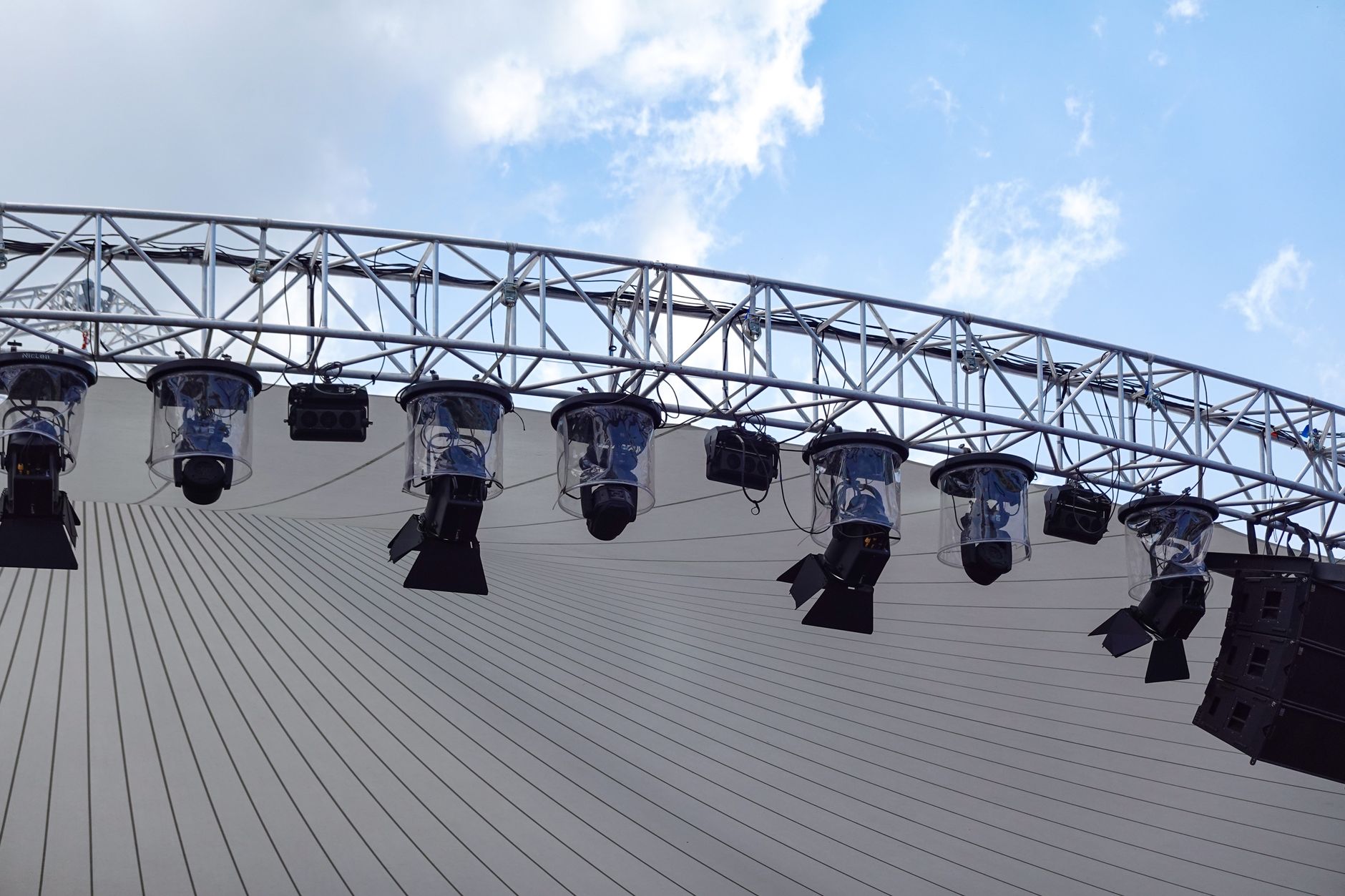
The technical rider describes the physical show: stage dimensions and load-bearing capacity, rigging points and where they sit, the electrical service required, the audio system, the lighting and video packages, the backline, and the crew needed to put all of it up and take it down inside a working day.
None of that is preference. A touring production is designed once and then repeated in a different building every night, which only works if each building can accommodate the same rig. The rider is the specification the route is planned against, which is why routing arguments between an agent and a production manager are usually arguments about buildings rather than about cities.
That is also why the technical document is negotiated first and negotiated hardest. A hospitality clause can be quietly ignored with no consequence beyond irritation. A rigging clause cannot. If the roof will not take the load, the show does not load in, and the alternatives are an expensive redesign for that one date or no date.
Power and Rigging, the Two Clauses That Cancel Shows
Two areas cause more trouble than anything else in a rider, and both are about the venue rather than the band.
The first is power. A modern touring rig draws current for amplification, lighting, video, motors, and the crew’s own working equipment, and it needs that current delivered as correctly configured, stable service at a specified point on or near the stage. Older rooms often have service that was generous for the shows of the era they were built for and is not generous now. The remedies are a generator, a distribution upgrade, or a reduced rig, and all three cost money somebody has to agree to spend before the truck arrives.
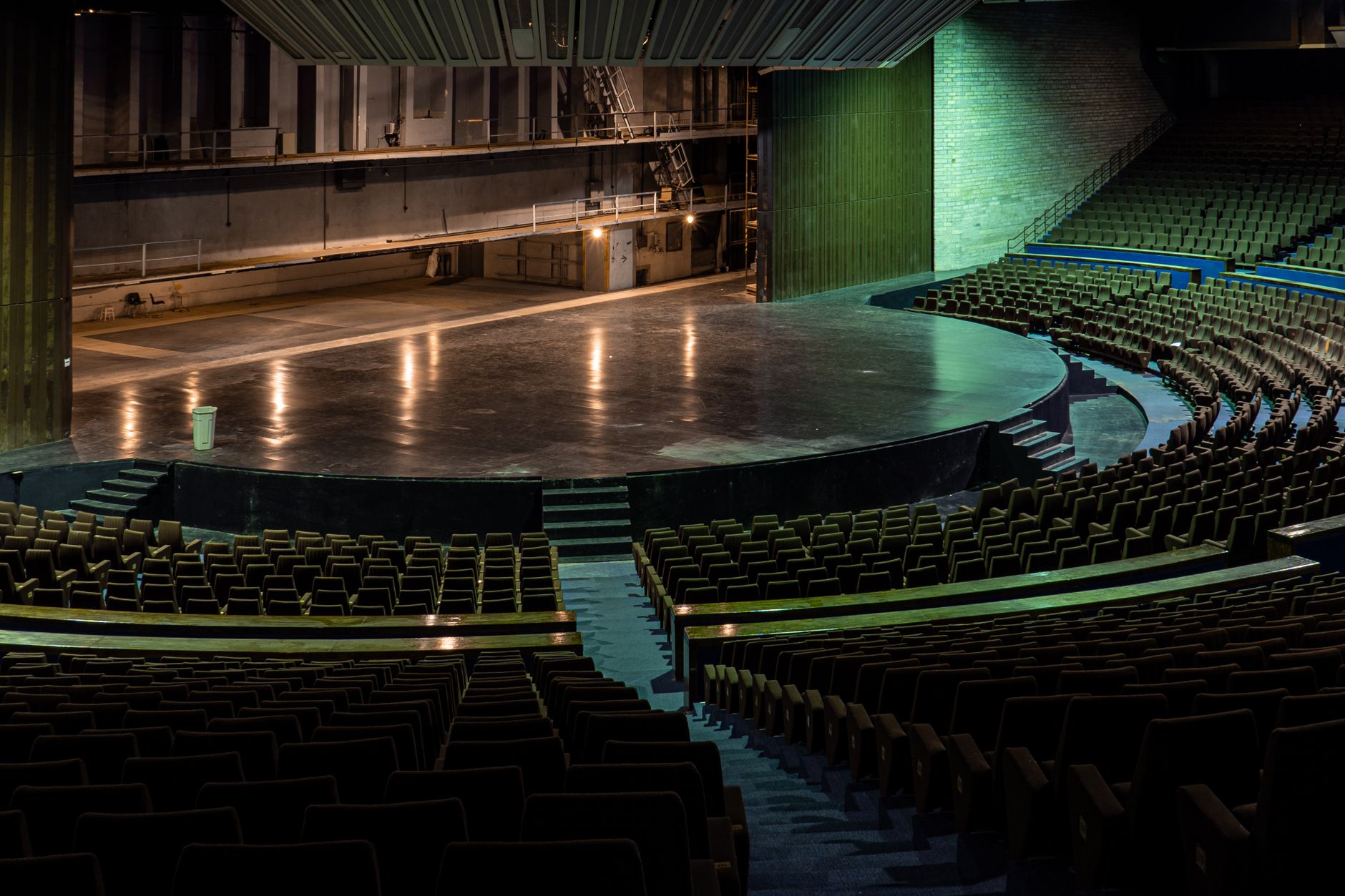
The second is rigging. Anything suspended above an audience, speakers, lighting trusses, screens, scenic pieces, has to hang from structural points rated for the load, in roughly the positions the show was designed around. Buildings differ in where those points sit and what they can carry. A production built for generous overhead capacity does not simply drop into a room with a shallow roof and few rated points. What was meant to fly ends up on the floor, and that changes sightlines for a substantial share of the seats, which is a commercial problem as much as an aesthetic one.
Backline, Local Crew, and What the Promoter Has to Supply
Between the building and the band sits a middle layer: the equipment and labour the promoter provides locally rather than the tour carrying it.
Backline is the instrument-level gear, amplification, drum hardware, keyboards and stands, and touring acts split it into what travels and what they expect to find waiting. Carrying less lowers freight cost but raises risk, because a locally supplied amplifier is an unknown until it is switched on. Riders therefore tend to specify backline tightly while listing acceptable alternatives, so a local supplier can substitute without anyone making a phone call at midnight.
Local crew is the other half. The rider states how many hands are needed for load-in, how many are needed to run the show, and what tickets or skills they must hold, because a travelling crew is sized to operate a show, not to unload a fleet of trucks unaided. Under-supplying crew is one of the quietest breaches of a rider, and it does not look like a breach when it happens. It looks like a load-in that runs late, which compresses soundcheck, which is the point at which the audience finally notices.
Hospitality Is Mostly Logistics, and Occasionally Medicine
The hospitality rider covers dressing rooms, catering, towels, laundry, ground transport, and the working conditions of everyone travelling with the show. Read line by line, some of it looks indulgent. Read as a set, the logic is plain: a touring party performs the same physically demanding job in a different city every day, and hospitality is how the employer keeps that party able to work.
A great deal of what reads as fussy is medical or vocal. Singers ask for particular room temperatures, humidity, hot water, and the absence of strong cleaning products or airborne irritants near the dressing room, because the voice is the asset and it is fragile. Dietary clauses are frequently allergies rather than tastes, and a catering mistake can remove a performer for the night as effectively as a sprained ankle. Requests about alcohol run in both directions, and a dry backstage clause is often a sobriety accommodation for somebody in the party rather than a house rule.
Timing usually matters more than contents. A meal specified for a particular hour is a scheduling instruction: it has to land in the window between load-in and doors, or nobody eats at all.
Then there is the deliberately strange clause, and the working explanation for it is verification rather than vanity. A rider can run to dozens of pages of dense technical requirement, and a production manager has no practical way to audit compliance with all of it before doors. Planting one oddly specific, easily checked instruction in the middle of the document creates a cheap test. If the odd item is wrong, the rider has probably been skimmed rather than read, and the crew should treat the power and rigging sections as unverified until they have walked them personally.
How Riders Get Cut Down for Smaller Rooms
Almost no rider is delivered in full. The same act tours a document that gets negotiated date by date, and the negotiation follows the money: the promoter’s budget sets what can be supplied, and the production manager chooses what to trade.
Hospitality goes first, because it is the cheapest concession and nobody misses it a week later. Then the discretionary production: a lighting element, a screen, a truss, a video wall that will not fit the room anyway. Support acts and developing acts run this process in miniature, touring a rider written to fit a room with a low ceiling and a single power tie-in.
What does not get traded is structural load, safe working practice, electrical capacity, and the crew count needed to make the day work. Those clauses exist to stop somebody getting hurt or the show failing outright, and a production manager who concedes them is conceding the wrong thing.
The Part of a Rider That Actually Tells You Something
When a rider leaks, the pages that get quoted are never the pages that matter. Catering tells you about one person’s throat and somebody else’s allergy. The technical annex tells you how the show was designed, how much of it can survive a smaller building, and how much of the ticket price is spent on things the audience will only notice if they fail. A rider is not a list of demands so much as the specification for repeating a difficult event, in an unfamiliar room, without breaking anything.