Two Hours, No Wasted Songs: How Arena Acts Actually Build a Setlist
Setlist.fm data and production designer Baz Halpin explain how arena tours sequence two hours of music around lighting cues, costume changes, and crowd energy.

Why does an arena show almost never open with the artist’s biggest song? Ask a production designer and the answer has nothing to do with mystery or suspense. It is about voltage: an opener has to fill a room’s energy from a standing start, and the biggest hit works better spent later, once the crowd is already warm and the production has more visual firepower saved up to match it.
That kind of sequencing logic, invisible to most fans, is now something that can actually be measured rather than just intuited. Setlist.fm, the fan-maintained database that has logged more than 10.27 million concert setlists from over 461,700 artists, gives researchers and production teams a record of exactly what gets played, in what order, across thousands of shows. Combined with what the people who design the shows say about how they build them, the picture of how a two-hour arena set actually comes together is more structured than it looks from the seats.
What does the data actually show about how sets are built?
Independent analysis of setlist.fm’s public data has produced measures like the Song Uniqueness Score, which tracks how often an artist repeats the same songs across a year of shows relative to how much variety they bring in. That data shows a clear split in approach: some artists rotate deep catalog cuts night to night, while others, Taylor Swift among the most prominent examples, run a close to fixed setlist across an entire tour leg.
That consistency is not a lack of spontaneity. It is a production decision. A show built around a fixed sequence, with lighting cues, costume changes, and video content locked to specific songs in a specific order, becomes exponentially harder to swap on the fly the more physical production is tied to each moment, which is exactly why the most visually elaborate tours tend to have the least varied nightly setlists.
How long is a modern arena set, and how is it structured?
Swift’s Eras Tour is the clearest recent case study in scale. The show ran over 40 songs, later expanding to 45 for its closing performances, split into ten acts, one per album era, with each act running roughly 3 hours and 15 to 20 minutes total by the tour’s final shows. The structure was explicitly theatrical, built more like a Broadway show with acts and costume changes than a traditional concert with a single continuous set.
That act-based structure solves a problem every arena-scale show faces: a single continuous two-hour set with no visual variation reads as monotonous no matter how good the songs are, while breaking the show into distinct sections, each with its own costume, lighting palette, and stage configuration, gives the audience a series of resets that keep the back half of a long show feeling as fresh as the front. Even acts without ten album eras to draw on tend to borrow the underlying logic, grouping songs into a handful of tonal blocks, an up-tempo run, a stripped-down acoustic pocket, a closing stretch of hits, rather than sequencing an unstructured list of favorites.
Who actually builds the show around the song list?
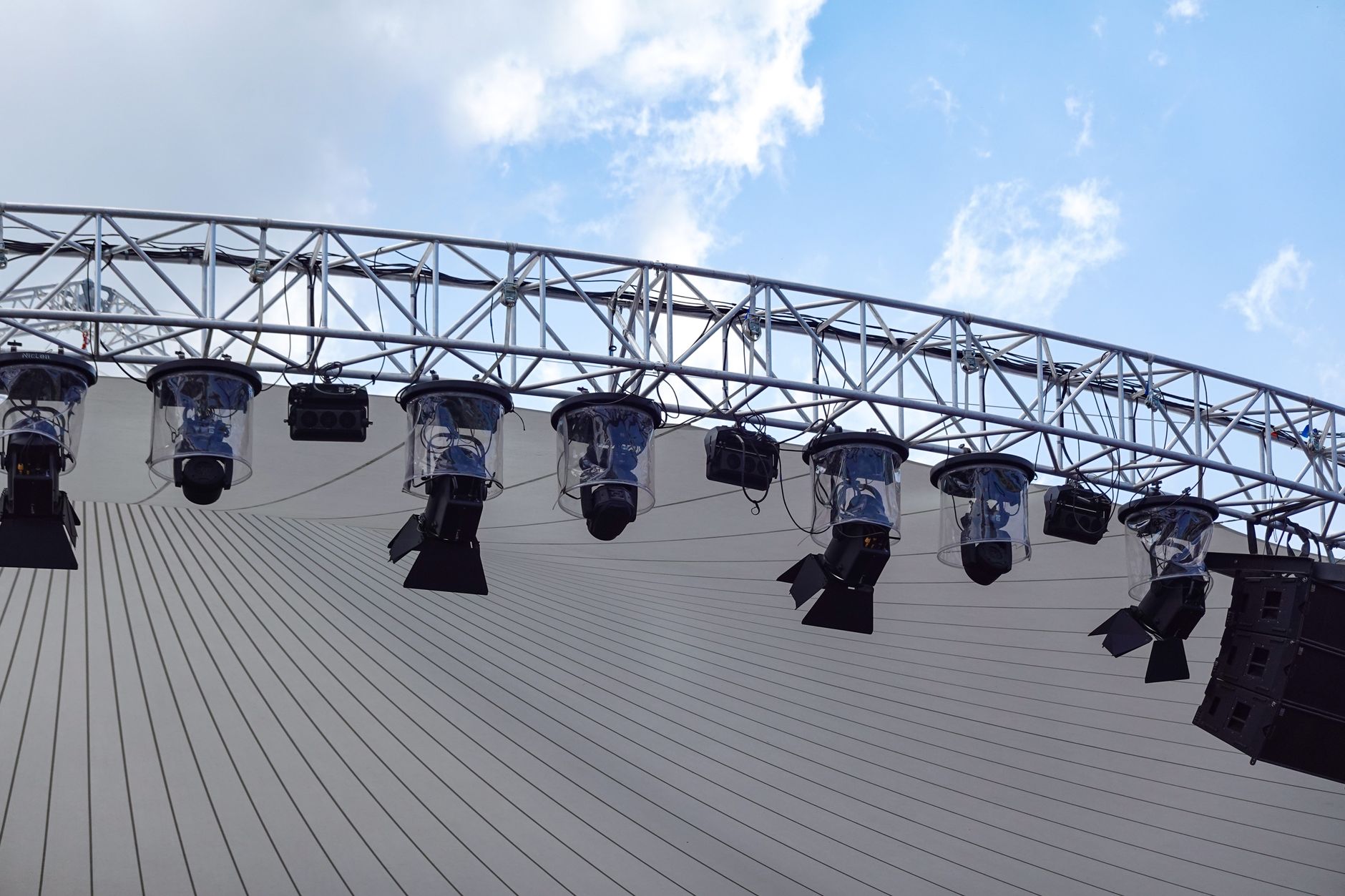
Production designer Baz Halpin, founder of the Los Angeles design agency Silent House, has built the visual architecture for some of the largest tours in recent memory, including Taylor Swift’s Reputation Stadium Tour, which carried more than 10,000 square feet of video screens, a 2,500-square-foot LED floor, and over 1,200 touring lights. Halpin started his career at 17 as a lighting crew chief and rigger for Jethro Tull before building the production company that now designs tours at the largest available scale, including Super Bowl halftime shows.
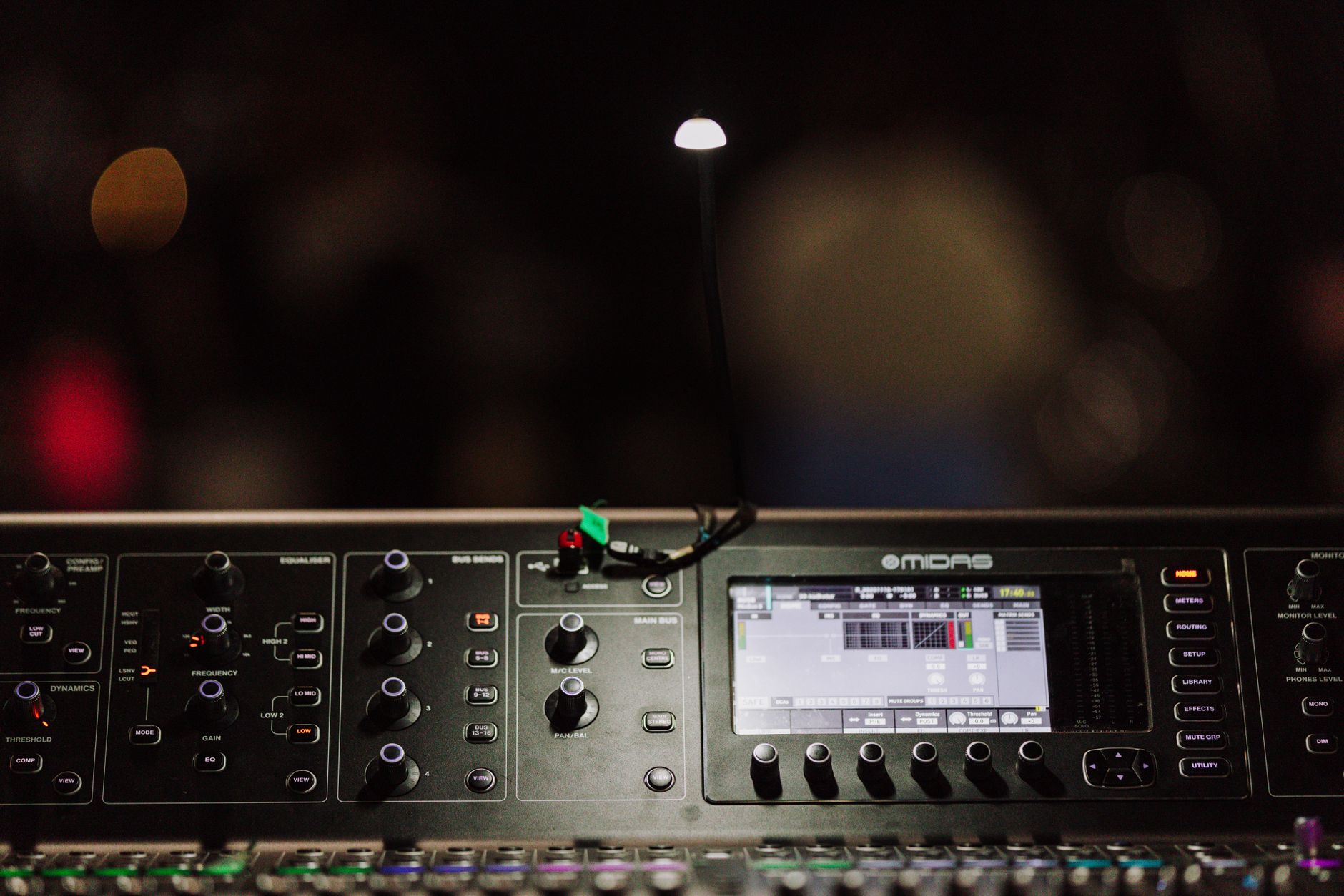
For the production crew, the setlist functions as the master document everything else is built against: lighting designers program cues to specific songs, front-of-house engineers rebalance the mix between acoustic and full-band numbers, video operators trigger content tied to individual tracks, and stage managers use it to time instrument swaps and guest appearances. Halpin’s work extends beyond conventional arenas too, including production design for No Doubt’s 2026 residency at the Sphere in Las Vegas, a venue whose wraparound screen technology changes what a setlist sequence can visually do at each transition compared to a standard arena rig.
Why do bigger rooms change what gets played?
Venue scale itself shapes the song list, not just the show around it. Larger arenas support high-production numbers built around pyrotechnics or expanded band configurations that a smaller room’s rigging and sightlines could not accommodate, while a bigger crowd generally demands a higher-impact opener capable of filling the room’s scale both audibly and visually from the first song. A setlist built for a 2,000-capacity theater and one built for a 60,000-seat stadium are solving different physical problems even when the underlying song is identical.
The encore follows its own logic within this same structure. Most arena sets close the main body of the show on a high-energy song, break for a scripted pause of a minute or two, then return for a two-to-four song encore built around the single most anticipated song of the night, timed so the audience’s energy peaks at the literal end of the show rather than partway through it.
What does this mean for how a show actually feels live
The upshot for anyone in the crowd is that very little of a modern arena set is improvised in the moment, and that is by design rather than a loss of spontaneity. The order, the pacing, the placement of the biggest hit two thirds of the way through rather than at the top, all of it is engineered against data on what has worked before and against the physical limits of what the production can execute night after night without failure. The show feels spontaneous specifically because the structure underneath it is not.