How TikTok Rewired A&R: Shrinking Intros and Songs Built to Loop
Song intros have shrunk from twenty seconds to five, and viral timelines dropped from 340 days to 50. Here is how TikTok changed songwriting and scouting.


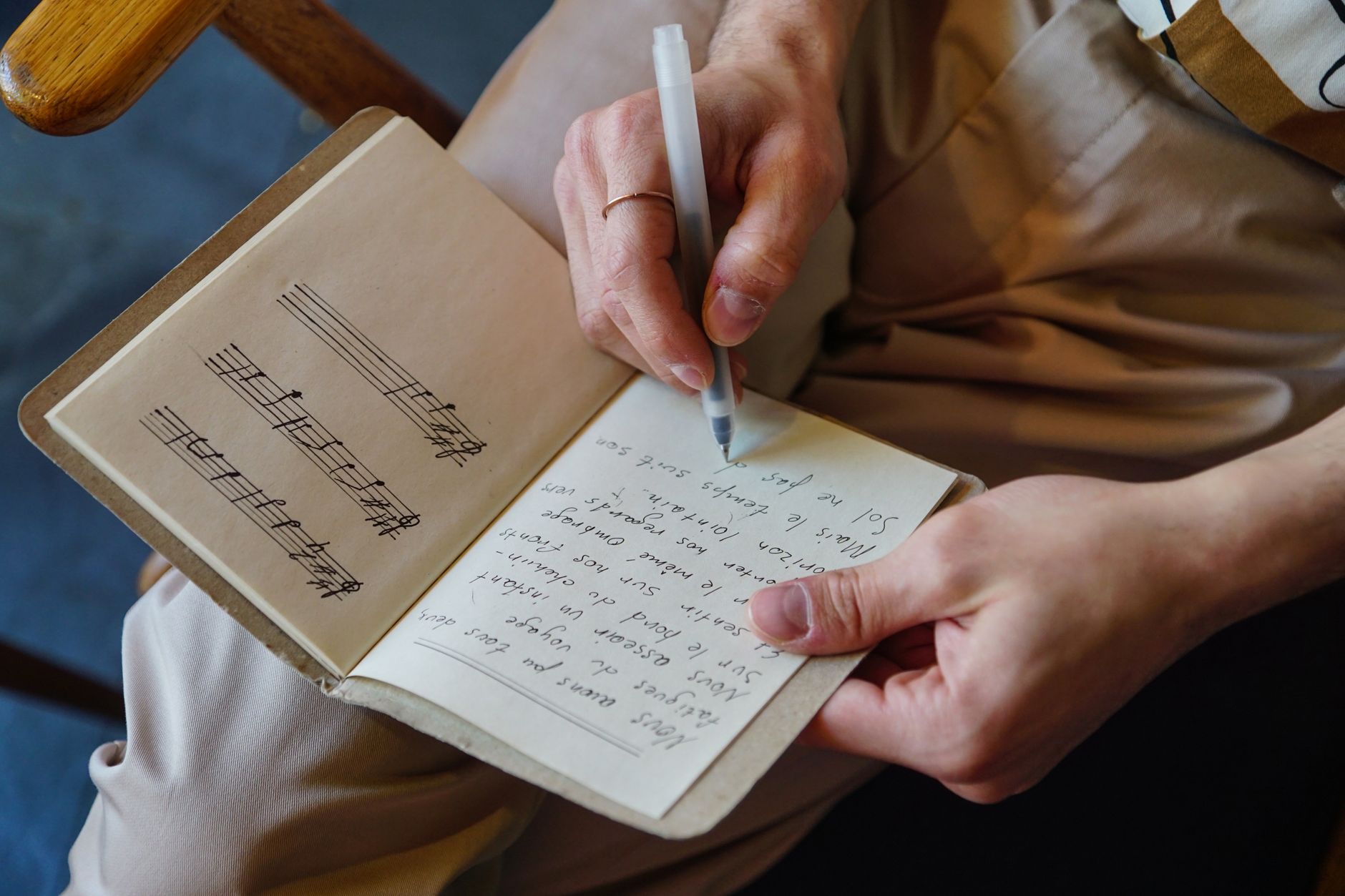
A songwriter in Nashville used to have thirty seconds or more to build an intro before the chorus arrived. Today, the same songwriter is told, often explicitly by an A&R representative, that they have about five seconds before a TikTok viewer’s thumb decides whether the song lives or dies. The instrumental intro that defined pop radio for decades has all but disappeared, and the data behind why is more specific than most people realize.
The Intro Kept Shrinking Long Before TikTok
The shortening of song intros did not start with TikTok. A study by Hubert Leveille Gauvin, then a doctoral student in music theory at Ohio State University, analyzed the year-end top 10 on the Billboard chart from 1986 to 2015 and found intros had shrunk to roughly a quarter of their eighties-era length, from around twenty seconds down to about five. That trend was already driven by radio and, later, early digital downloads training listeners to expect the hook immediately.
What changed with the arrival of streaming, and then TikTok specifically, was the mechanism of punishment for a slow start. On Spotify, an artist only earns a royalty-qualifying stream once a listener has stayed past the thirty-second mark, which converts a slow build from an artistic choice into a direct revenue risk. TikTok compressed that window further: the entire judgment on whether a sound survives now happens in the first one or two seconds of a scrollable feed.
From 340 Days to 50: How Fast Virality Now Moves
Chartmetric’s analysis of TikTok sound adoption found that in 2020, it took an average of 340 days for a song to accumulate 100,000 posts using its audio on the platform. By 2025, that number had collapsed to roughly 50 days. Songs either catch immediately or they do not catch at all, and that compression has pushed the entire discovery process further upstream, into the writing and production of the song itself, not just its marketing after release.
The Data Layer Behind the Scouting
None of this scouting happens by A&R staff scrolling TikTok on their own phones anymore, or at least not only that way. Analytics platforms built specifically for the industry, Chartmetric among them, track how fast a given piece of audio is being adopted across TikTok, tying post counts, engagement rates, and cross-platform spillover into Spotify or Apple Music streams into a single dashboard that flags a track before it has fully crossed over. That is the same data underlying the 340-day-to-50-day compression figure: labels can now watch a sound’s adoption curve in near real time and move on a signing or a release decision while the trend is still accelerating, rather than waiting for it to show up on a chart weeks later.
What Labels Are Actually Scouting For
The shift in A&R practice described in industry reporting is blunt: labels are no longer scouting primarily for vocal talent or songwriting craft in the traditional sense, they are scouting for a single loopable moment, a chorus drop, a beat switch, one shoutable lyric, that can survive being clipped to fifteen seconds and looped without context. Tracks are increasingly built, or edited after the fact, specifically around that one moment, because a song that trends can outperform an objectively stronger song that never finds its clip.
That has produced two concrete production habits that were rare a decade ago. First, the “sped up” and “nightcore” remix, tracks pitched and tempoed up from the original, has moved from a niche fan-made genre into an officially released format that labels distribute themselves. Sabrina Carpenter’s “Espresso” is a clean example: alongside the original single, her label released an EP on May 17, 2024, that included a “Double Shot Version,” an officially sanctioned sped-up remix, packaged next to acappella, instrumental, and slowed-down versions, effectively formalizing what fan edits on TikTok had already been doing to the song for weeks. Sped-up versions of hit songs now regularly appear as their own tracks on Spotify and other platforms, sitting alongside the original release rather than existing only as unofficial uploads. Second, songs are increasingly structured with the hook placed at or near the very start, sometimes cold-opening on the chorus, rather than building to it, specifically so a fifteen-second clip captures the most memorable part of the song regardless of where a listener starts.

The Trade-Off Nobody Advertises
The Washington Post’s data analysis of Billboard number-one hits found the average chart-topper in 2025 ran about 18 percent shorter than its 1990 counterpart, and the compression has not been gradual and even, it has clustered hardest around intros and bridges, the sections that traditionally gave a song room to develop before delivering its payoff.
The tension this creates is real, not hypothetical: a song engineered for one loopable clip is not always a song that rewards a full, attentive listen, and critics writing about the trend describe a flattening effect where songs are optimized for a ten-second judgment rather than a three-minute experience.
What This Means for Working Musicians
For anyone writing or producing music today, the practical takeaway is not to abandon craft for clip-bait, it is to understand that the clip is now part of the composition process rather than a marketing afterthought applied later. Building a song with at least one moment, ideally within the first few seconds, that can stand alone out of context is no longer optional if streaming and short-form discovery are part of the plan, even for artists who have no intention of chasing a viral trend as their primary strategy.